Amazigh/Berber

Community

Classroom resources to introduce students to Amazigh/Berber history, language, and traditions.

Arts and Culture of the Berber Tribes of Morocco and the Sahara

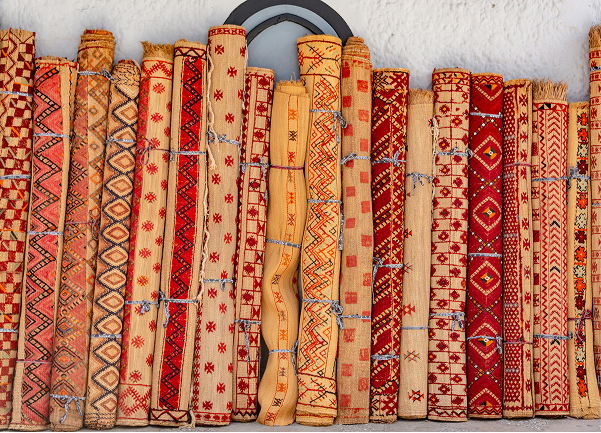
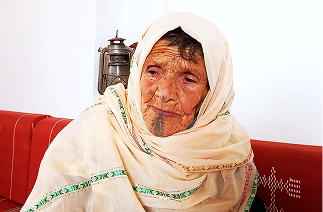
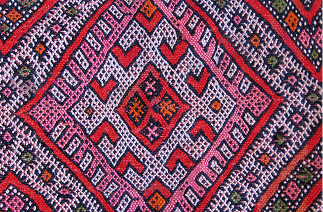
Students will be introduced to the three subjects of Berber /Tuareg jewelry, and body adornment with henna designs, and embroidered textiles, through a power point, visual displays, study guide packet, and Moroccan artifacts to inspire their ideas. Three stations will already be setup in the classroom and introduced with the subjects.


resource

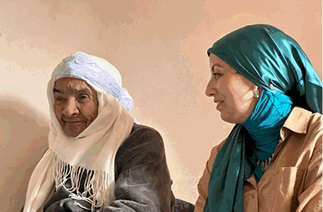
Oral history recordings documenting Amazigh experiences, identity, and community memory across North Africa.

article

A comprehensive overview of Amazigh demographics, political marginalization, and contemporary human-rights concerns.

video

A BBC documentary tracing Amazigh origins and their role in North African history.

video

A historical introduction to the Berber/Amazigh peoples, their origins, culture, and early civilizations.

video

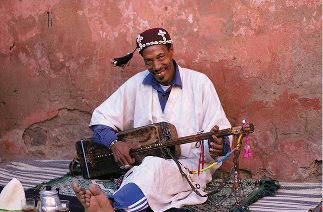
A PBS episode exploring Morocco’s musical landscape, including Amazigh musical traditions

video

Performances and documentation of traditional Amazigh music and dance forms across Morocco and Algeria

lesson plan

Lesson introducing Amazigh history, identity, and cultural resilience.

resource

Introductory presentation on Amazigh language, traditions, and cultural heritage.

article

Article discussing the modern cultural revitalization of Amazigh communities.

resource

Academic journal publishing research on Amazigh history, culture, and society.

video

The word “Amazigh” is not a modern invention as is often claimed, and in fact has a documented history going centuries with the meaning of “Noble” and “Freeman”.

video

Zeinab Badawi goes to Morocco to find out about the original inhabitants of the region in particular the Berbers or Amazigh as they prefer to be called.

article

Articles on Amazigh identity within the broader context of Indigenous African peoples.

Explore more Indigenous and minority communities of the Middle East and North Africa through the AIMEE network.