Assyrian
Community
Explore books about the Assyrian community:
-
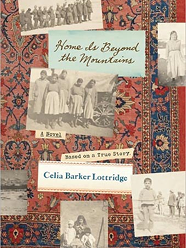
by Celia Barker Lottridge
This novel is based on actual events in northern Iran and Iraq in 1918 through the early 1920s. Nine-year-old Samira is an Assyrian girl who flees with her parents and two siblings from Turkish forces invading their Iranian village. Only Samira and her older brother, Benyamin, are alive by the time they reach the refugee camp near Baghdad. Despite their grief and exhaustion, the two establish a family-like relationship with other orphans, allowing them to form a strong community. After several years, a bold new orphanage director, Susan Shedd, decides to help the group of three hundred orphans return to Iran. They make the three-hundred-mile journey through the mountains on foot in the hopes of finding surviving members of their families. Celia Barker Lottridge is the niece of the real Susan Shedd. Her affecting novel is based on her aunt’s work, and also her mother’s memories of growing up in Persia. Lottridge’s historical account shows the children’s intense resilience and also their remarkable sense of responsibility for one another.
-
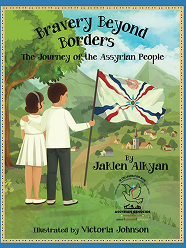
by Jaklen Alkyan
Jaklen Alkyan’s newest book tells the poignant story of an Assyrian family during the harrowing period of Seyfo, the Assyrian genocide of 1915. In collaboration with The Seyfo Center, this book is crafted specifically for younger readers, gently introducing them to this crucial historical event. Through its narrative, it imparts lessons on bravery, strength, and hope in the face of adversity. Heartfelt and captivating, this latest work by the award-winning author is sure to leave a lasting impression.
-
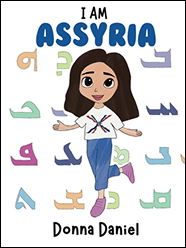
by Donna Daniel
“I Am Assyria” by Donna Daniel introduces readers to Assyria, who loves sharing her Assyrian culture. From tasty Assyrian foods to exciting dances, come along on her cultural journey. Perfect for curious kids, this book explores Assyrian culture, history, and language in a fun way. Join Assyria’s adventure and discover her amazing culture together!
-
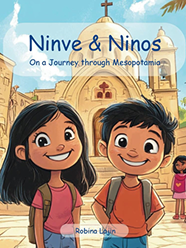
by Robina Youela Lajin
Join the Assyrian siblings Ninve and Ninos on a journey of discovery through the world of the Assyrians.
They’ll tell you about their heritage, what they eat, how they celebrate, and what language they speak! -
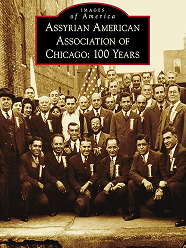
by Vasili Shoumanov
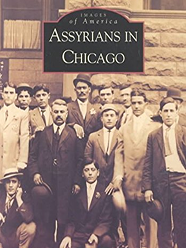
In 1917, the Assyrian American Association was founded and established in Chicago by those arriving in the United States in an effort to unite the growing community, aid newcomers, and celebrate cultural heritage. The first wave of Assyrians came to Chicago in the late 1800s. Their success prompted successive migration, particularly during World War I, when the Ottoman Campaigns incited massacres in Turkey and Iran and prompted survivors to flee. Although 100 years have passed, the organization remains a pillar of the Assyrian community in Chicago and a prized secular organization in the United States.
-
by Hannibal Travis
For a brief period, the attention of the international community has focused once again on the plight of religious minorities in Iraq, Syria, and Turkey. In particular, the abductions and massacres of Yezidis and Assyrians in the Sinjar, Mosul, Nineveh Plains, Baghdad, and Hasakah regions in 2007–2015 raised questions about the prevention of genocide. This book, while principally analyzing the Assyrian genocide of 1914–1925 and its implications for the culture and politics of the region, also raises broader questions concerning the future of religious diversity in the Middle East.
-
by Vasili Shoumanov
The pictorial history of Assyrian immigration to Chicago that encompasses more than 100 years.
The first Assyrian pioneers came to the United States in the late 1800s. Eventually, by the turn of the century, they began to reside in Chicago. Following several waves of persecution in their homeland, these indigenous people of Mesopotamia continued to migrate to America, and now the largest concentration of them reside in Chicago. -
by Alda Benjamen
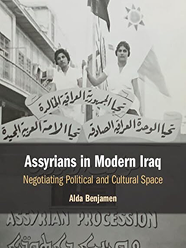
Examining the relationship between a strengthened Iraqi state under the Baʿth regime and the Assyrians, a Christian ethno-religious group, Alda Benjamen studies the role of minorities in twentieth-century Iraqi political and cultural history. Relying on extensive research in Iraq, including sources uncovered at the Iraqi National Archives in Baghdad, as well as in libraries and private collections in Erbil, Duhok, and Mosul, in Arabic and modern Aramaic, Benjamen foregrounds the Iraqi periphery as well as the history of bilingualism to challenge the monolingual narrative of the state.
-
by Sargon Donabed and Ninos Donabed
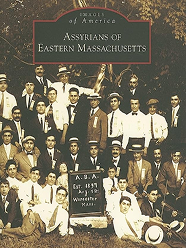
The widespread persecution of the Christian Assyrians by neighboring populations in the Ottoman Empire led to their immigration to the United States. Beginning at the end of the 19th century, with an influx during the Great War, Assyrians settled mostly in eastern Massachusetts, finding an abundance of work along its ports and among its large factory base. Concerned with the welfare of their community, these immigrants established a multitude of cultural, social, and political institutions to help promote awareness of Assyria. The establishment of St. Mary’s Assyrian Apostolic Church, the first of its kind outside of the Middle East, prompted the solidarity of Assyrians in Massachusetts and became a model for later settlements of Assyrians in the United States.
-
by Dr. Ruth Kambar
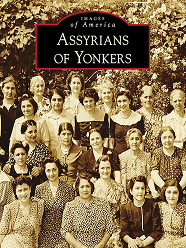
As early as the late 19th century, there was a small community of Assyrians in Yonkers, New York. By 1914 and 1915, many Assyrians fled Ottoman Turkey and Persia seeking refuge from genocide, and with the assistance of American Presbyterian missionaries, many found their way to bolstering a growing population in Yonkers. This community established its own churches, community associations, and businesses, becoming an essential part of the American mosaic while retaining its culture through religion, language, social gatherings, and traditional foods.
-
by Melis Lachin
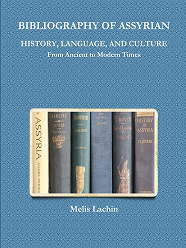
Bibliography of Assyrian History, Language, and Culture from Ancient to Modern Times is broken into various sections: Aramaic, Assyria, modern Assyrian, ancient Assyrian, Babylon, Babylonian, Church of the East and Eastern Christianity, Mesopotamia, Nineveh, and Syriac and is in alphabetical order by author’s last name. The brief description section provides a summary of each of aforementioned sections from a historical point. There is an appendix for journals and periodicals including some that are no longer published, yet have been listed for reference and historical reasons.
-
by Sargon Donabed
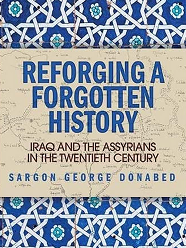
Who are the Assyrians and what role did they play in shaping modern Iraq? Were they simply bystanders, victims of collateral damage who played a passive role in the history of Iraq? And how have they negotiated their position throughout various periods of Iraq’s state-building processes? This book details the narrative and history of Iraq in the 20th century and reinserts the Assyrian experience as an integral part of Iraq’s broader contemporary historiography.