Copts are the indigenous people of Egypt, fulfilling the UN definition stating that “Indigenous communities, peoples and nations are those which, having a historical continuity with pre-invasion and pre-colonial societies that developed on their territories, consider themselves distinct from other sectors of the societies now prevailing on those territories, or parts of them.”
- Copts number over 15 million people (12–15% of Egypt’s population) and are loyal citizens of Egypt. As the descendants of the Ancient Egyptians, they have lived in their homeland for millennia.
- Copts are the largest Christian and largest non-Muslim community in the Middle East.
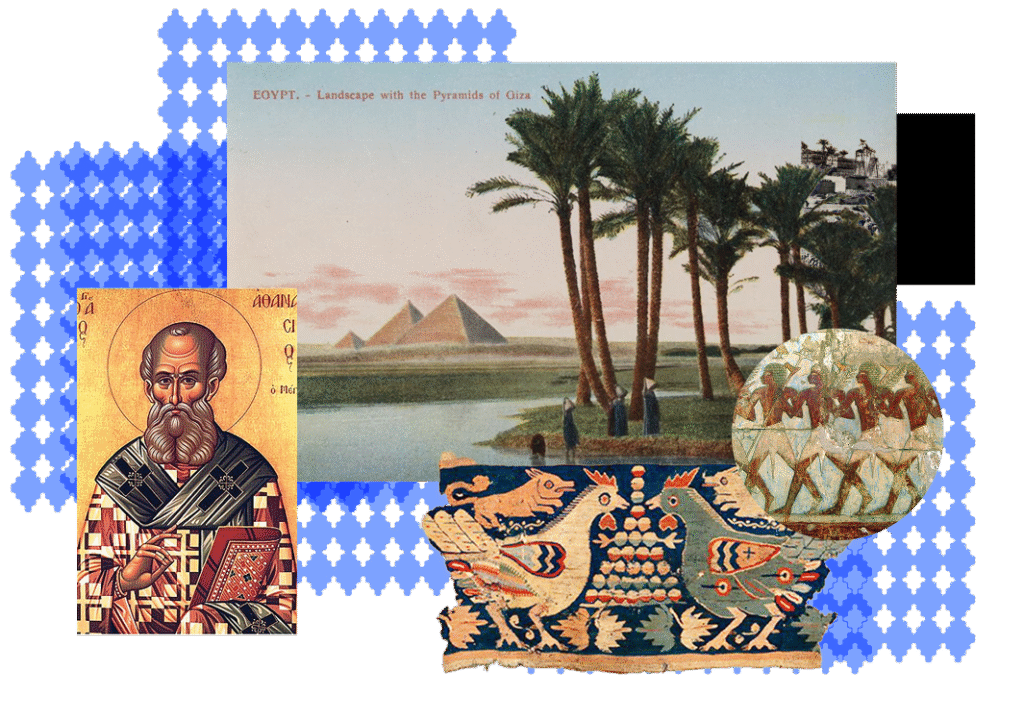
- Copts are proud of their land, which protected the Holy Family during their flight into Egypt and nurtured the early growth of the Church.
- Copts became among the earliest followers of Christianity after St. Mark brought the Gospel to Egypt. Egypt became home to some of Christianity’s greatest theologians, including Athanasius, Anthony of the Desert, and Cyril the Great.
- Throughout history, Copts have survived centuries of persecution—from the first Arab Muslim invasion in the 7th century, through the Mamluk and Ottoman eras—losing countless lives to rulers who sought to force their conversion through torture, imprisonment, excessive taxation, starvation, and other forms of coercion.
- In the modern era, despite global norms regarding liberty and human rights, Copts continue to face systematic discrimination by the Egyptian government, a radicalized society, and Islamist groups who view them as an obstacle to their ideological and political ambitions.
— Coptic Solidarity