Zoroastrian

Community

Classroom resources to introduce students to Zoroastrian history, language, and traditions.

Zoroastrianism Today: Ethics, Identity, and Practical Living

Students will explore the principles of Zoroastrianism, including ethical living, cultural preservation, and modern applications of Zarathushtra’s teachings. They will analyze the 8 key traits of Zoroastrian living, connect them to contemporary global issues, and reflect on how ethical frameworks guide human behavior. Students will evaluate sources, discuss moral responsibilities, and construct arguments on how Zoroastrian values align with modern human rights and global citizenship.
Subjects: World History, Comparative Religion, Human Rights


audio

A scholarly overview of Zoroastrian scripture, theology, and historical development.

video

Short documentary introducing Zoroastrian origins, modern communities, and challenges

article

A clear educational overview of Zoroastrian history, beliefs, and global influence.


video

Personal testimony highlighting Zoroastrian communal life, history, and generational continuity.


video

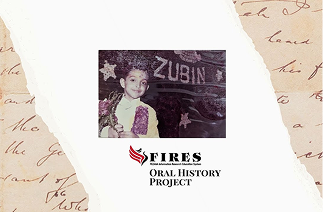
Oral history interviews documenting migration, identity, and community-building in the Zoroastrian diaspora.

article

Report on the Parsi Zoroastrian community in Mumbai, exploring demographic decline and cultural preservation.

video

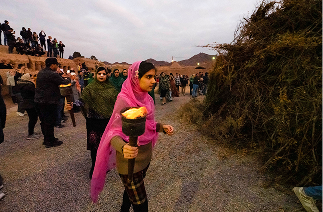
A cultural look at Nowruz celebrations and Zoroastrian festive traditions.


resource

Students will explore the rich diversity of Middle Eastern and North African (MENA) cultures through children’s literature. Using stories from Iranian, Parsi, Kurdish, Iraqi, Jewish refugee communities, and more, they will examine cultural traditions, family life, migration experiences, and identity.

worksheet

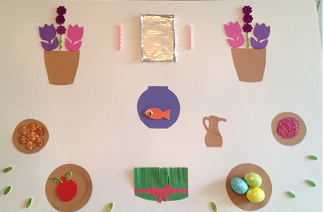
A kid-friendly worksheet introducing the traditions of Norouz — including the Sofreh Haft-Seen, Chahar Shanbeh Suri, Sizdah Bedar, and spring renewal — with cut-and-paste activities and a puppet craft to help students explore Iranian culture.

resource

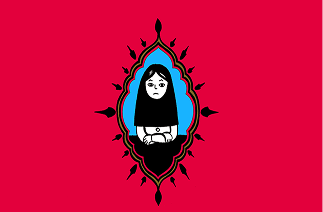
Resources for teaching Persepolis and Persepolis 2, the graphic autobiographies by Marjane Satrapi that depict her childhood up to her early adult years in Iran during and after the Islamic Revolution.

lesson plan

Lesson plan using story and legend to introduce Iranian/Zoroastrian culture.

video

Short explainer video introducing Zoroastrianism and its core beliefs.

curriculum

Full curriculum for teaching Zoroastrian history and culture.

video

Video overview of Zoroastrian beliefs and traditions.

video

PBS segment explaining the celebration of Zoroastrian New Year.

worksheet

Worksheet explaining Zoroastrianism for younger learners.

lesson plan

Lesson plan exploring Zoroastrian New Year celebrations.

article

Overview of Zoroastrian educational institutions in Yazd, Iran.

Explore more Indigenous and minority communities of the Middle East and North Africa through the AIMEE network.