

Educator Guides
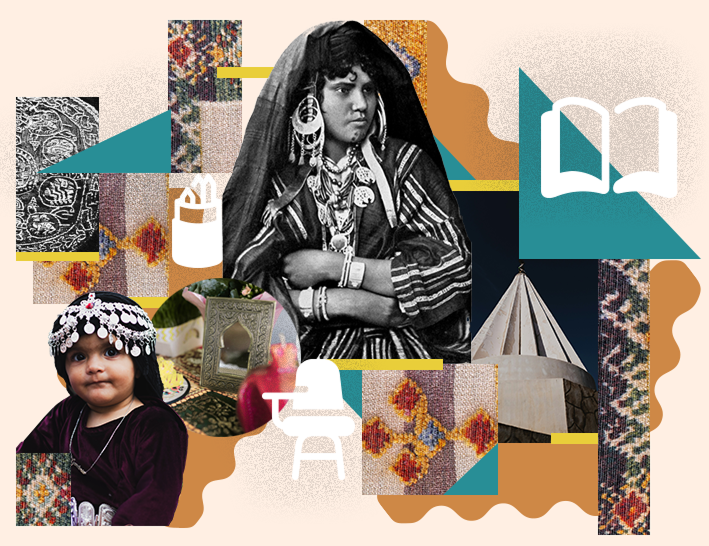
Building Inclusive Learning Environments: Representing Middle Eastern and North African (MENA) Communities in K–12 Education.
General Recommendations for Inclusion of Minority Middle Eastern and North African (MENA) Students and Communities:
Schools serve students from a wide range of cultural, linguistic, and historical backgrounds. To help every student feel seen, valued, and represented, educators and community members can take intentional steps to include the experiences and voices of Middle Eastern and North African minority communities—such as Amazigh/Berber, Coptic, Druze, Jewish, Kurdish, Yazidi, and Zoroastrian groups.
As you explore the recommendations below, keep in mind some key principles for building an inclusive school culture:
Inclusion is holistic
A commitment to diversity and equal representation should be reflected throughout the entire school community—from curriculum and library collections to classroom discussions, visual displays, and school events.
Inclusion is collaborative
Creating and sustaining an inclusive culture requires teamwork and shared responsibility. Administrators, teachers, support staff, families, and students all play an essential role in ensuring that every learner feels represented and respected.
Inclusion benefits everyone
Highlighting the stories, languages, and contributions of MENA communities not only supports students from those backgrounds—it broadens global understanding and empathy for all learners.
Recommendations for Teachers and Program Staff:
Integrate diverse cultural traditions and perspectives into lessons and activities
When planning classroom or schoolwide celebrations, include holidays and cultural observances that reflect the diversity of the MENA region—such as Yennayer (Amazigh/Berber New Year), Nowruz (Persian and Kurdish New Year), Eid al-Salib (Coptic Feast of the Cross), Ashura (commemorated by Druze and others), Sema Yazid (Yazidi New Year), and Sukkot (Jewish harvest festival). These can be taught through lessons on geography, history, literature, or world cultures.
Encourage students to explore traditional foods, art forms, and storytelling practices from these communities—such as Amazigh/Berber Couscous, Coptic Fasolia be Zeit, Druze Maqluba, Jewish Bumuelos (Sfenj), Kurdish Dolma, Yazidi Kofta, and Zoroastrian Dhansak—as a way to connect with cultural diversity through sensory and experiential learning.
Recommendations for School and District Leaders
Assess representation and equity in school culture
Conduct a self-assessment to understand which communities are represented among your leadership, staff, and curriculum materials. Identify gaps and take proactive steps to include perspectives from Kurdish, Yazidi, Jewish, Coptic, Druze, Zoroastrian, and Amazigh/Berber communities in your school’s educational and cultural programming.
Support professional learning and inclusive programming
Partner with community organizations, cultural centers, and educational nonprofits that focus on MENA heritage and diversity. Offer staff training on culturally responsive teaching, global citizenship, and inclusive curriculum development.
Build relationships with local MENA communities
Invite local community members, artists, and cultural representatives to participate in multicultural fairs, classroom presentations, or heritage month events. Collaborate with local organizations serving minority MENA populations to build authentic, ongoing partnerships.
Promote school events that celebrate diversity
Plan school events that highlight the global nature of your community—such as international nights, heritage weeks, or storytelling festivals—that feature the languages, foods, and traditions of minority MENA cultures alongside others. Encourage student leadership in organizing and presenting at these events.
Closing note
Embracing the histories, contributions, and traditions of Middle Eastern and North African communities helps students recognize the beauty of global diversity and the importance of inclusion. When students see their identities reflected in school life, it strengthens belonging, empathy, and cross-cultural understanding—skills essential for thriving in a diverse, interconnected world.