

Frequently Asked Questions (FAQ)
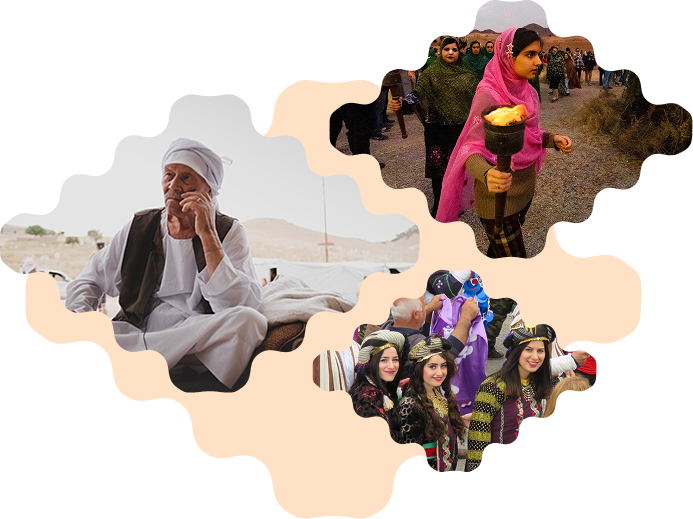
AIMEE is an educational initiative dedicated to bringing accurate, nuanced, and representative Middle Eastern content into K–12 classrooms. We support educators with resources, community connections, and guidance that help them teach the Middle East and North Africa in ways that honor the region’s diversity, complexity, and humanity.
AIMEE was founded in response to the widespread misrepresentation of Middle Eastern peoples in K–12 social science and ELA curriculum. Middle Eastern identity is too often presented as a single, homogenous category, and the region is frequently taught through oversimplified binaries that erase the lived histories and experiences of its diverse communities. We seek to transform these narratives so that students receive an education grounded in accuracy, dignity, and cultural depth.
The Middle East is home to an extraordinary mosaic of Indigenous communities whose histories stretch back thousands of years. These include, among others, Assyrians, Chaldeans, Syriacs, Copts, Jews, Samaritans, Amazigh/Berbers, Kurds, Druze, Yezidis, Mandaeans, Shabaks, Zoroastrians, Armenians, and many more.
These groups are not relics of antiquity, they are vibrant, living cultures that continue to shape the social, linguistic, artistic, and spiritual fabric of the region today.
No.
AIMEE is not a political project centered on the Israel–Palestine conflict. Our work is far broader in scope. We focus on lifting up the diverse tapestry of Indigenous and minority communities across the Middle East, communities that have demonstrated remarkable resilience, cultural continuity, and a shared commitment to shaping a peaceful, inclusive future for all peoples of the region. While we support accurate and humanizing representation of all groups, AIMEE’s mission is rooted in community-centered education, not advocacy for any political position.
AIMEE serves the full spectrum of Indigenous Middle Eastern and North African (MENA) communities, with a special commitment to minority groups, and communities whose histories and contemporary realities are routinely ignored or misrepresented in K–12 education. We also collaborate with teachers, curriculum designers, schools, and allies who believe in equitable and inclusive representation in the classroom.
Representation shapes how students view the world, and themselves. When students encounter only flattened, binary, or stereotyped portrayals of the Middle East, they develop an incomplete and often harmful understanding of an extraordinarily diverse region and the peoples who have lived there for millenia. Accurate representation helps build global awareness, empathy, and critical thinking. It exposes students to stories of resilience, belonging, cultural survival, innovation, and beauty, preparing them to engage with the contemporary world more thoughtfully and responsibly.
AIMEE provides:
- Classroom-ready lesson plans and curriculum guides
- Background materials for educators new to Middle East and North African content
- Resource lists, reading collections, and primary sources
- Professional development workshops
- Support for curriculum design and review
- Guidance for teaching sensitive topics like genocide, displacement, and cultural erasure
All materials are designed to be accessible, age-appropriate, culturally respectful, and rigorous.
Yes.
AIMEE’s curated resources are aligned with state and national frameworks including:
- C3 Social Studies Framework
- Literacy standards for informational text and media literacy
- State world-history, world-geography, and ethnic-studies standards
Our curriculum is intentionally built to be classroom-ready, standards-aligned, and easy for teachers to adopt, while expanding representation in meaningful and accurate ways.
No. While ancient civilizations are an important part of the region’s story, AIMEE places stronger emphasis on contemporary experiences, including cultural revival, modern identity, land-back, migration, resilience, oppression, and community survival.
The Middle East and North Africa is not frozen in the past and only defined by current conflicts; it is alive, evolving, and culturally vibrant. Our materials reflect that reality.
We use trauma-informed, age-appropriate approaches. When topics such as genocide, ethnic cleansing, or displacement arise, we prioritize the dignity, humanity, and lived experiences of affected communities. We believe students can learn about difficult histories in ways that build compassion and understanding, without sensationalizing suffering and victimhood. We want students to feel inspired, empowered, and informed on how to create a better world that respects and honors each individual.
AIMEE offers:
- Curated and vetted resources
- Lesson plans and sample units
- Professional development and training
- A collaborative network of educators
- Direct curriculum consulting
- Partnerships with scholars and community experts
We aim to make it easier for teachers to bring accurate Middle Eastern and North Africa representation into their classrooms.
Yes. We welcome partnerships with school districts, libraries, museums, cultural centers, universities, community groups, and families.
Collaboration strengthens our work, and we believe education is most powerful when communities are directly involved.
You can:
- Join our educator network
- Attend or host a professional development workshop
- Contribute resources or community expertise
- Collaborate with us on curriculum development
- Support AIMEE through partnership or sponsorship
- Help us uplift Middle Eastern and North African stories in your community
We would love to connect with you.
A future where Middle Eastern and North African peoples are represented with accuracy, dignity, and complexity in every classroom. We envision a world in which students learn about the region not only through conflict or stereotype, but through stories of heritage, resilience, creativity, pride, and cultural survival. AIMEE seeks to disrupt binary narratives and elevate the full humanity of Middle Eastern communities—ancient and contemporary.