Suggested Literature
Explore diversity in the Middle East through literature:
-
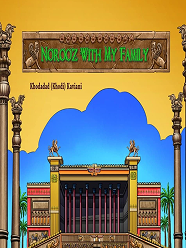
By Dr. Khodadad (Khodi) Kaviani
A sister and her brother share with classmates their Norooz (New Year) experiences. They live in Yazd, Iran, the city of beautiful wind catchers. They talk about spring cleaning, carpet washing, chaarshanbeh soori, preparing the Haft-Seen, plus other activities during this festive time of year. They reveal why people say, “Norooz Peerooz! [Wishing you a victorious Norooz!], and King Jamsheed’s association with Norooz, the start of spring! They also learn about the Zoroastrian roots of Haft-Seen.
-
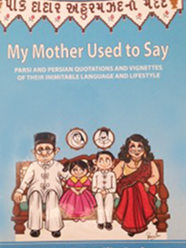
By Roshan Rivetna and Dinaz Kutar Rogers
With illustrations by Kaizin Pooniwala, this delightful compilation captures and records — lest future generations growing up in the West forget — priceless heirlooms, including over 1000 Parsi and Persian quotations, fun phrases and timeless words of wisdom, ingenious home remedies for all ailments, and nostalgic memories of growing up in Parsi ‘baugs.’ It is a great way to remind and regale those who grew up on the Indian subcontinent and Iran about a part of their heritage they left behind.
-
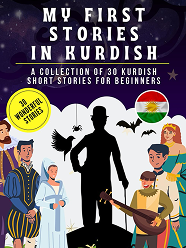
by Abdo_Editions
A Compilation of 30 Short Stories offers a rich tapestry of diverse narratives designed to captivate and inspire readers of varying levels of knowledge. From enchanting fantasies to enigmatic mysteries, each tale offers a unique opportunity to explore different genres and writing styles.Whether you are taking your first steps into the world of literature or looking to expand your literary horizons, this anthology promises something captivating for every reader.
-
by Jihan Mohammed (Author), Lita Rizqiani (Illustrator)
This book is about a young Kurdish refugee taking the reader on a ride to visit all corners of Nashville, Tennessee. Nashville city is home to approximately 20,000 Kurdish refugees and immigrants. This book is dedicated tor every Kurdish and non-Kurdish refugee living in the diaspora. The book is also excellent for educational purposes, as it discusses the Kurdish culture, identity, and history.
-
by Patricia McCormick (Author), Mevan Babakar (Author), Yas Imamura (Illustrator)
The true story of how a simple act of kindness changed a young refugee’s life—from award-winning author Patricia McCormick with Mevan Babakar. For generations, Mevan and her family lived in their beloved Kurdistan. But when they are forced to flee by the Iraqi government, Mevan must leave everything behind. Her family travels from country to country in search of safety; and with each stop, Mevan feels more and more alone. Until . . . a stranger’s gift changes everything. Based on Mevan Babakar’s own childhood, this is a moving reminder of how powerful just one act of kindness can be.
-
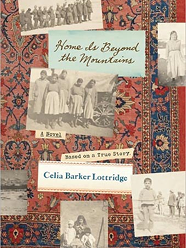
by Celia Barker Lottridge
This novel is based on actual events in northern Iran and Iraq in 1918 through the early 1920s. Nine-year-old Samira is an Assyrian girl who flees with her parents and two siblings from Turkish forces invading their Iranian village. Only Samira and her older brother, Benyamin, are alive by the time they reach the refugee camp near Baghdad. Despite their grief and exhaustion, the two establish a family-like relationship with other orphans, allowing them to form a strong community. After several years, a bold new orphanage director, Susan Shedd, decides to help the group of three hundred orphans return to Iran. They make the three-hundred-mile journey through the mountains on foot in the hopes of finding surviving members of their families. Celia Barker Lottridge is the niece of the real Susan Shedd. Her affecting novel is based on her aunt’s work, and also her mother’s memories of growing up in Persia. Lottridge’s historical account shows the children’s intense resilience and also their remarkable sense of responsibility for one another.
-
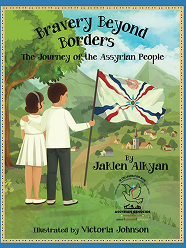
by Jaklen Alkyan
Jaklen Alkyan’s newest book tells the poignant story of an Assyrian family during the harrowing period of Seyfo, the Assyrian genocide of 1915. In collaboration with The Seyfo Center, this book is crafted specifically for younger readers, gently introducing them to this crucial historical event. Through its narrative, it imparts lessons on bravery, strength, and hope in the face of adversity. Heartfelt and captivating, this latest work by the award-winning author is sure to leave a lasting impression.
-
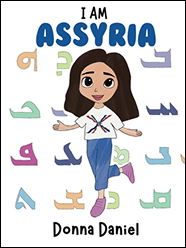
by Donna Daniel
“I Am Assyria” by Donna Daniel introduces readers to Assyria, who loves sharing her Assyrian culture. From tasty Assyrian foods to exciting dances, come along on her cultural journey. Perfect for curious kids, this book explores Assyrian culture, history, and language in a fun way. Join Assyria’s adventure and discover her amazing culture together!
-
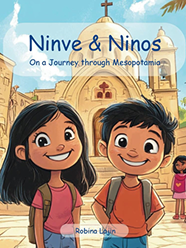
by Robina Youela Lajin
Join the Assyrian siblings Ninve and Ninos on a journey of discovery through the world of the Assyrians.
They’ll tell you about their heritage, what they eat, how they celebrate, and what language they speak! -
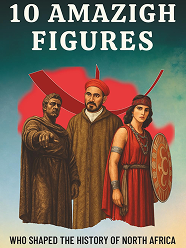
by Rayan Darcy
For thousands of years, the Amazigh people—also known as the Moors, Numidians, and Libyans—have shaped the history of the Mediterranean world. From resisting empires to building their own, their influence spans across vast lands and critical moments in time. Yet their stories are often overlooked. This book brings their legacy to light through the lives of ten powerful Amazigh figures—from fearless queens and rebel commanders to visionary rulers and cultural icons. Each chapter dives into a different era, revealing battles won, empires built, and legacies carved into the history of North Africa.
-
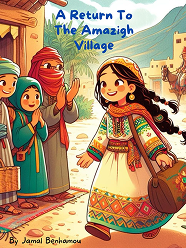
by Jamal Benhamou
Tafukt is an Amazigh girl from the city, but her heart has been longing to visit her Amazigh village in the Atlas Mountains where she was born. Read the story to learn more about Tafukt and to understand the connection the Amazigh people have with the land.
-
by Melina Waters
Nadia Murad’s journey is one of resilience, courage, and unwavering hope. Born into the Yazidi community in Iraq, Nadia’s life took a harrowing turn when she was captured by ISIS militants in 2014. She endured unimaginable hardships but emerged not just as a survivor, but as a powerful voice for her people. This biography introduces young readers to her extraordinary story, illustrating the strength of the human spirit even in the darkest of times.
-
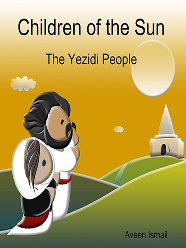
by Aveen Ismail
What are the beliefs and symbols of the Yezidi faith? This book introduces readers to the stories, customs and heritage of the world’s most ancient religion, the Yezidi people. This work is aimed at general readers and young Yezidis.
-
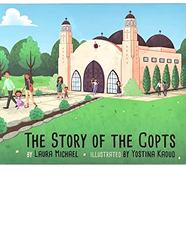
by Laura Michael (author), Yostina Kaoud (illustrator)
A brightly illustrated picture book about our Coptic diaspora heritage from the time of the pharaohs to today.
-
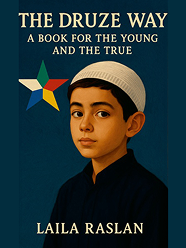
by Laila Raslan
This book is the first Druze faith book ever written just for children. It was made with care, love and honesty – so every Druze child can learn about their roots in a way that feels real and easy to understand. It is not just a storybook. It is a doorway into the quiet truths of the Druze faith – truths that have been protected for a thousand years, now made gentle and clear for the hearts of the young. Each chapter tells the story of our values, our path and the special Light that lives inside each of us. Every word was chosen to help you feel proud of who you are and at peace with the journey you walk.
-
by Laila Raslan
Nizar and the Roar of the Bear is an inspiring children’s story that explores themes of compassion, courage and trust, set against the rich cultural backdrop of a Lebanese Druze village. This beautifully written tale follows young Nizar as he learns that true strength lies not in force, but in understanding and kindness.
-
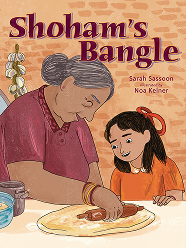
by Sarah Sassoon (Author), Noa Kelner (Illustrator)
Shoham wears a golden bangle on her wrist, just like her Nana Aziza. Their bangles jingle when they cook, and glitter in the sun. When Shoham and her family must leave Iraq, they are allowed to take only one suitcase each. They may take no jewelry. Shoham has the important job of carrying Nana’s homemade pita bread, which Nana says they will eat when they get to Israel. But when they finally arrive and it is time to eat, Shoham finds a surprise in the pita bread!
-
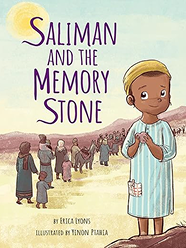
by Erica Lyons (Author), Yinon Ptahia (Illustrator)
When young Saliman’s family left Yemen in 1881 to move to Jerusalem there were so many things they could not take along. Promising to remember it all, even the names of each their goats and the color of their fur, he clutched his memory stone, a piece of his house that he kept in his pocket, as a way to keep Yemen in his heart. Saliman and the Memory Stone is a fictionalization of the real emigration of hundreds of Yemeni Jews to Jerusalem
-
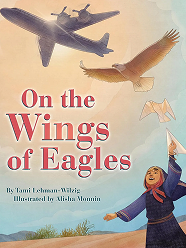
by Tami Lehman-Wilzig (Author), Alisha Monnin (Illustrator)
Based on real events, this picture book for ages 5-8 dramatizes the story of young Haila, a Yemenite girl, who with her family was airlifted to safety by Alaska Airlines pilot Warren Metzger during Operation Magic Carpet, an international effort that rescued nearly 50,000 Jews from the dangers of Yemen in 1949 and 1950.
-
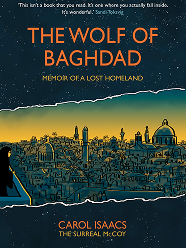
by Carol Isaacs
In the 1940s a third of Baghdad’s population was Jewish. Within a decade nearly all 150,000 had been expelled, killed or had escaped. This graphic memoir of a lost homeland is a wordless narrative by an author homesick for a home she has never visited. Transported by the power of music to her ancestral home in the old Jewish quarter of Baghdad, the author encounters its ghost-like inhabitants who are revealed as long-gone family members. As she explores the city, journeying through their memories and her imagination, she at first sees successful integration, and cultural and social cohesion. Then the mood turns darker with the fading of this ancient community’s fortunes.
-
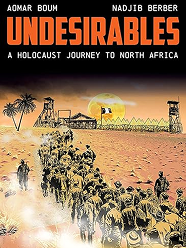
by Aomar Boum (Author) and Nadjib Berber (Illustrator)
In this historical graphic novel, historian Aomar Boum and illustrator Nadjib Berber follow the journey of Hans Frank, a Jewish journalist who flees Berlin as the Nazis rise to power. Guided by a transnational anti-fascist network, he escapes to French Algeria—only to be labeled an “undesirable” under the Vichy regime. Attempting to reach Morocco, Hans is detained and sent first to Le Vernet and later to forced labor camps across Morocco and Algeria. Over the next eighteen months, he struggles to survive while hearing the stories of others whose lives have been shattered by war and displacement.
-
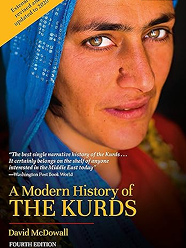
By David McDowal
The division of the Kurdish people among the modern nation states of Iraq, Turkey, Syria and Iran and their struggle for national rights continues to influence the politics of the Middle East. Drawing extensively on primary sources – including documents from The National Archive and interviews with prominent Kurds – the book examines the interplay of old and new aspects of the struggle, the importance of local rivalries and leadership within Kurdish society, and the failure of modern states to respond to the challenge of Kurdish nationalism.
-
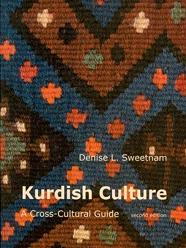
By Denise L. Sweetnam
“Kurdish Culture: A Cross-Cultural Guide” is a summary of the rich and diverse culture of the Kurdish people, highlighting their unique traditions, arts, and societal norms while acknowledging influences from neighboring cultures.
-
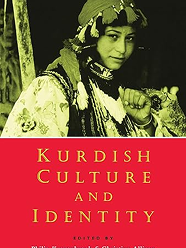
By Philip Kreyenbroek and Christine Allison
The more than 20 million Kurds in the Middle East are the largest nation in the world without their own independent state. Their struggles for international recognition may ultimately depend on their ability to convince the world that they have their own valid and mature identity. This survey of Kurdish culture describes the differences that exist in a community that is spread across four countries in the region – Iraq, Iran, Turkey and Syria – and recognizes that Kurdish culture is changing.
-
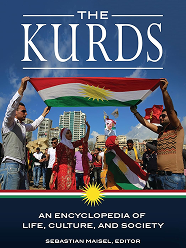
by Sebastian Maisel
This indispensable resource for Western readers about the Kurds―an ancient indigenous group that exemplifies diversity in the Middle East―examines their history, politics, economics, and social structure.
-
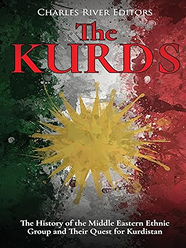
Charles River Editors
A concise overview of the Kurdish people’s history, culture, and their long-standing quest for an independent state. The book explores the political challenges they face in regions like Turkey, Syria, Iran, and Iraq, examines their relationships with regional and international powers, and covers their history leading up to events like the 2017 referendum.
-
by Michael Brett
The Berbers is the first attempt by English scholars to provide a comprehensive overview of the history of the Berber-speaking peoples. From the first appearance of humans in the Maghreb, through the rise of the formidable Berber kingdoms of Numidia and Mauretania, the book traces the origins of the distinct characteristics of these disparate peoples, regarded as the indigenous inhabitants of North Africa. In examining, too, the responses to external overlords, whether Romans, Byzantines, Arabs, Turks, or, most recently, European imperial powers, the authors indicate the importance for the various Berber communities of such factors as language, tradition, social organization and geographical location.
-
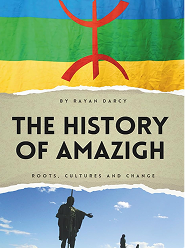
by Rayan Darcy
For thousands of years, the Amazigh people—North Africa’s indigenous inhabitants—have shaped the region’s history, culture, and identity. From ancient times, they built thriving communities, resisted invasions, and established powerful empires like Numidia, Mauretania, Almoravids and the Almohads. They stood against Carthage, Rome, Byzantium, and the Arab conquests, leaving behind a legacy of resilience and adaptation. This book explores their origins, their diverse societies, and the wars that defined their fate, including the legendary battles of Queen Dihya and the Great Amazigh Revolt against the Umayyads.
-
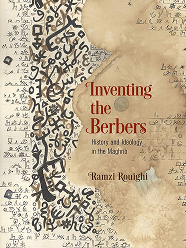
by Ramzi Rouighi
Inventing the Berbers examines the emergence of the Berbers as a distinct category in early Arabic texts and probes the ways in which later Arabic sources, shaped by contemporary events, imagined the Berbers as a people and the Maghrib as their home.
-
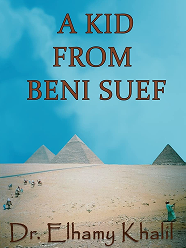
by Dr. Elhamy Khalil
A Kid from Beni Suef is the first volume of a series by Dr. Elhamy Khalil about his life and times in Egypt and North America. In this book, he gives a vivid description of his life in the city of Beni Suef as a child and teenager covering his education in primary and secondary schools, as well as his family. He describes many aspects of life in the 1940s regarding social, religious, and recreational activities from a teenager’s point of view. He also describes his life in Cairo during his medical school years at Cairo University and his decision to come to America for further training.
-
by Gawdat Gabra
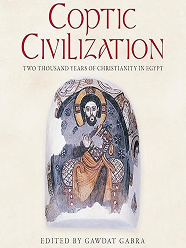
A comprehensive cultural history of the Copts and their rich contributions of literature, art and architecture, material arts, and music. Egypt’s Copts make up one of the oldest and largest Christian communities in the Middle East. Yet despite the availability of a large number of books on aspects of Coptic culture, including art and architecture, monasticism, theology, and music, there is to date no single volume that provides a comprehensive cultural history of the Copts and their achievements. Coptic Civilization aims to fill this gap, by introducing the general reader, the interested non-specialist, to Coptic culture in all its variety and multi-faceted richness.
-
by Mariam Ayad
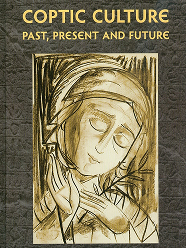
In May 2008, the Coptic Orthodox Centre in Stevenage, UK organised a conference on Coptic Culture: Past, Present, and Future. The conference aimed to highlight the contributions and achievements of one of the most obscure periods of Egyptian history: the Coptic Period. The importance of this period lies in its valuable contributions to some of the most formative theological debates of Christianity. Strictly defined as a Late Antique culture, spanning only the third to the seventh centuries AD, the heritage of the Coptic Period still survives today in the artistic expression, liturgical services, and heritage of millions of Egyptian Christians who live in Egypt and abroad.
-
by Mark N. Swanson
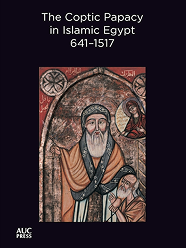
An authoritative account of the Coptic Papacy in Egypt from the coming of Islam to the onset of the Ottoman era, by a leading religious studies scholar, new in paperback This second volume shows that the medieval Coptic popes (641–1517 CE) were regularly portrayed as standing in continuity with their saintly predecessors; however, at the same time, they were active in creating something new, the Coptic Orthodox Church, a community that struggled to preserve a distinctive life and witness within the new Islamic world order. Building on recent advances in the study of sources for Coptic church history, the present volume aims to show how portrayals of the medieval popes provide a window into the religious and social life of their community.
-
by Taqi-Ed-Din El-Maqrizi
A Short History Of The Copts And Of Their Church is a book written in 1873 by Taqi-Ed-Din El-Maqrizi. The book provides a comprehensive history of the Coptic people and their church, which is one of the oldest Christian churches in the world. The author covers the origins of the Coptic people, their relationship with the Pharaonic civilization, and the emergence of Christianity in Egypt.
-
by Mariam F. Ayad
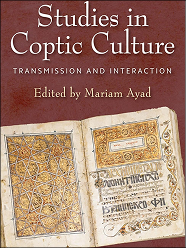
Coptic contributions to the formative theological debates of Christianity have long been recognized. Less well known are other, equally valuable, Coptic contributions to the transmission and preservation of technical and scientific knowledge, and a full understanding of how Egypt’s Copts survived and interacted with the country’s majority population over the centuries. Studies in Coptic Culture attempts to examine these issues from divergent perspectives.
-
by Otto F.A. Meinardus
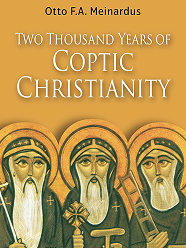
Since its split from the Byzantine Church in 451, the Coptic Church has proudly maintained its early traditions, and influence from outside has been minimal: the liturgy is still sung to unique rhythms in Coptic, a late stage of the same ancient Egyptian language that is inscribed in hieroglyphs on temple walls and papyri. Dr. Otto Meinardus, a leading authority on the history of the Coptic Church, here revises, updates, and combines his renowned studies Christian Egypt, Ancient and Modern (AUC Press, 1965, 1977) and Christian Egypt, Faith and Life (AUC Press, 1970) into a new, definitive, one-volume history, surveying the twenty centuries of existence of one of the oldest churches in the world.
-
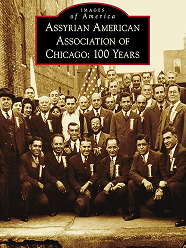
by Vasili Shoumanov
In 1917, the Assyrian American Association was founded and established in Chicago by those arriving in the United States in an effort to unite the growing community, aid newcomers, and celebrate cultural heritage. The first wave of Assyrians came to Chicago in the late 1800s. Their success prompted successive migration, particularly during World War I, when the Ottoman Campaigns incited massacres in Turkey and Iran and prompted survivors to flee. Although 100 years have passed, the organization remains a pillar of the Assyrian community in Chicago and a prized secular organization in the United States.
-
by Hannibal Travis
For a brief period, the attention of the international community has focused once again on the plight of religious minorities in Iraq, Syria, and Turkey. In particular, the abductions and massacres of Yezidis and Assyrians in the Sinjar, Mosul, Nineveh Plains, Baghdad, and Hasakah regions in 2007–2015 raised questions about the prevention of genocide. This book, while principally analyzing the Assyrian genocide of 1914–1925 and its implications for the culture and politics of the region, also raises broader questions concerning the future of religious diversity in the Middle East.
-
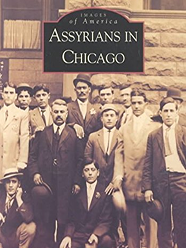
by Vasili Shoumanov
The pictorial history of Assyrian immigration to Chicago that encompasses more than 100 years.
The first Assyrian pioneers came to the United States in the late 1800s. Eventually, by the turn of the century, they began to reside in Chicago. Following several waves of persecution in their homeland, these indigenous people of Mesopotamia continued to migrate to America, and now the largest concentration of them reside in Chicago. -
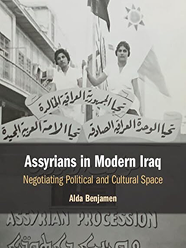
by Alda Benjamen
Examining the relationship between a strengthened Iraqi state under the Baʿth regime and the Assyrians, a Christian ethno-religious group, Alda Benjamen studies the role of minorities in twentieth-century Iraqi political and cultural history. Relying on extensive research in Iraq, including sources uncovered at the Iraqi National Archives in Baghdad, as well as in libraries and private collections in Erbil, Duhok, and Mosul, in Arabic and modern Aramaic, Benjamen foregrounds the Iraqi periphery as well as the history of bilingualism to challenge the monolingual narrative of the state.
-
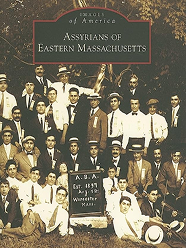
by Sargon Donabed and Ninos Donabed
The widespread persecution of the Christian Assyrians by neighboring populations in the Ottoman Empire led to their immigration to the United States. Beginning at the end of the 19th century, with an influx during the Great War, Assyrians settled mostly in eastern Massachusetts, finding an abundance of work along its ports and among its large factory base. Concerned with the welfare of their community, these immigrants established a multitude of cultural, social, and political institutions to help promote awareness of Assyria. The establishment of St. Mary’s Assyrian Apostolic Church, the first of its kind outside of the Middle East, prompted the solidarity of Assyrians in Massachusetts and became a model for later settlements of Assyrians in the United States.
-
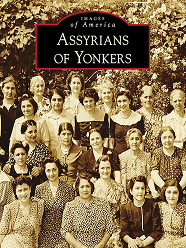
by Dr. Ruth Kambar
As early as the late 19th century, there was a small community of Assyrians in Yonkers, New York. By 1914 and 1915, many Assyrians fled Ottoman Turkey and Persia seeking refuge from genocide, and with the assistance of American Presbyterian missionaries, many found their way to bolstering a growing population in Yonkers. This community established its own churches, community associations, and businesses, becoming an essential part of the American mosaic while retaining its culture through religion, language, social gatherings, and traditional foods.
-
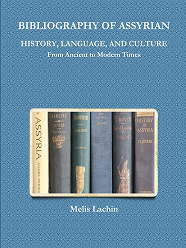
by Melis Lachin
Bibliography of Assyrian History, Language, and Culture from Ancient to Modern Times is broken into various sections: Aramaic, Assyria, modern Assyrian, ancient Assyrian, Babylon, Babylonian, Church of the East and Eastern Christianity, Mesopotamia, Nineveh, and Syriac and is in alphabetical order by author’s last name. The brief description section provides a summary of each of aforementioned sections from a historical point. There is an appendix for journals and periodicals including some that are no longer published, yet have been listed for reference and historical reasons.
-
by Sargon Donabed
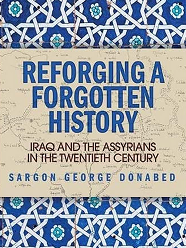
Who are the Assyrians and what role did they play in shaping modern Iraq? Were they simply bystanders, victims of collateral damage who played a passive role in the history of Iraq? And how have they negotiated their position throughout various periods of Iraq’s state-building processes? This book details the narrative and history of Iraq in the 20th century and reinserts the Assyrian experience as an integral part of Iraq’s broader contemporary historiography.
-
by Farida Khalaf and Andrea C. Hoffmann
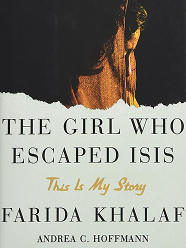
A young Yazidi woman was living a normal, sheltered life in northern Iraq during the summer of 2014 when her entire world was upended: her village was attacked by ISIS. All of the men in her town were killed and the women were taken into slavery. This is Farida Khalaf’s story. A riveting firsthand account of life in captivity and a courageous flight to freedom, this astonishing memoir is also Farida’s way of bearing witness, and of ensuring that ISIS does not succeed in crushing her spirit. Her bravery, resilience, and hope in the face of unimaginable violence will fascinate and inspire.
-
by Nadia Murad
A memoir of survival, a former captive of the Islamic State tells her harrowing and ultimately inspiring story. On August 15th, 2014, when Nadia was just twenty-one years old, this life ended. Islamic State militants massacred the people of her village, executing men who refused to convert to Islam and women too old to become sex slaves. Six of Nadia’s brothers were killed, and her mother soon after, their bodies swept into mass graves. Nadia was taken to Mosul and forced, along with thousands of other Yazidi girls, into the ISIS slave trade.
-
by Shaker Jeffrey and Katharine Holstein
Shaker Jeffrey’s life has been an odyssey of courage, cunning, and desperation. His journey began as a fatherless Iraqi farm boy. As a child he hung out with American troops and practiced his English. Soon he was helping gather information about terrorists, becoming one of the youngest combat interpreters to work for the United States government, even attracting the notice of General Petraeus.
-
by Birgül Açikyildiz
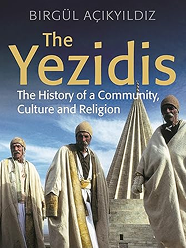
Yezidism is a fascinating part of the rich cultural mosaic of the Middle East. The Yezidi faith emerged for the first time in the twelfth century in the Kurdish mountains of northern Iraq. The religion, which has become notorious for its associations with ‘devil worship’, is in fact an intricate syncretic system of belief, incorporating elements from proto-Indo-European religions, early Iranian faiths like Zoroastrianism and Manichaeism, Sufism and regional paganism like Mithraism. Birgul Acikyildiz here offers a comprehensive appraisal of Yezidi religion, society and culture.
-
by Navid Fozi
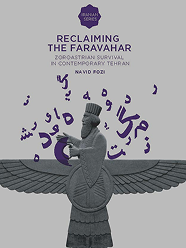
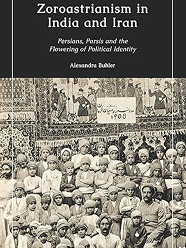
Reclaiming the Faravahar is an ethnographic study of the contemporary Zoroastrians in Tehran. It examines many public discursive and ritual performances to show how they utilize national, religious, and ethnic categories to frame the Zoroastrian identity within the longstanding conflict between Iranian Shiˁa and Arab Sunnis, defining and defending Zoroastrians’ identity and values in Shiˁi dominated Iran.
-
by Shaporji Aspaniarji Kapadia
ZOROASTRIANISM is a religion much commented upon by a few enthusiastic oriental scholars, and less understood by the general public. Out of the millions of believers of this faith in the bygone ages, there now remains a handful of devout followers, known as the Parsis. I have, therefore, ventured to put before my readers a brief sketch of the teachings of this divine prophet. I hope, that the strangers to the faith may find in it food for philosophic enlightenment, and the Zoroastrians themselves a subject for deeper and wider researches in the untold wealth of sublime theology and philosophy, now looked up in the monumental tomes of the ancient Avesta writings.
-
by Maneckji Nusservanji Dhalla
Zoroastrian Civilization: From The Earliest Times To The Downfall Of The Last Zoroastrian Empire 651 A.D. is a historical book written by Maneckji Nusservanji Dhalla. The book explores the history and development of the Zoroastrian civilization, from its earliest times to the downfall of the last Zoroastrian empire in 651 A.D. The author provides a detailed account of the religion, culture, and society of the Zoroastrian people, who were one of the most influential civilizations of ancient Persia. Dhalla delves into the origins of the Zoroastrian religion, its key beliefs and practices, and the role of its prophets and leaders throughout history.
-
by Andrew D. Magnusson
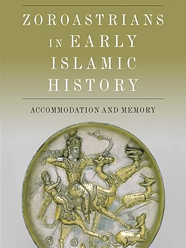
The second Muslim caliph, Umar ibn al-Khattab, once reportedly exclaimed, ‘I do not know how to treat Zoroastrians!’ He and other Muslims encountered Zoroastrians during the conquest of Arabia but struggled to formulate a consistent policy toward the adherents of a religion that was neither biblical nor polytheistic. Some Muslims saw Zoroastrians as pagans and sought to limit interaction with them. Others found ways to incorporate them within the empire of Islamic law.
-
by Mary Boyce
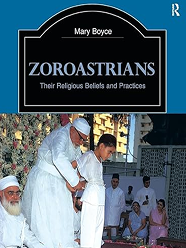
This book traces the continuous history of the faith from the time it was preached by Zoroaster down to the present day – a span of about 3,500 years. First taught among nomads on the Asian steppes, Zoroastrianism became the state religion of the three great Iranian empires and had a remarkable influence on other world faiths: to the east on northern Buddhism, to the west on Judaism, Christianity and Islam. With the conquest of Iran by the Muslim Arabs, Zoroastrianism lost its secular power, but continued to survive as a minority faith. Despite its antiquity, it remains a living religion.
-
by Mary Boyce
This book traces the continuous history of the faith from the time it was preached by Zoroaster down to the present day – a span of about 3,500 years. First taught among nomads on the Asian steppes, Zoroastrianism became the state religion of the three great Iranian empires and had a remarkable influence on other world faiths: to the east on northern Buddhism, to the west on Judaism, Christianity and Islam. With the conquest of Iran by the Muslim Arabs, Zoroastrianism lost its secular power, but continued to survive as a minority faith. Despite its antiquity, it remains a living religion.
-
Pheroza J. Godrej Firoza Punthakey Mistree
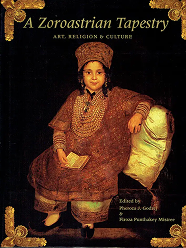
The Zoroastrians are the followers of the Iranian Prophet Spitaman Zarathushtra. They entered recorded history in 550 BCE and for nearly 1,000 years their religion flourished as the imperial religion of three great Iranian empires. During this period, Zoroastrianism was a dominant religion, and its beliefs influenced Judaism, Christianity and later Islam. The vast extent of their empire brought the Zoroastrians in contact with people of different races and traditions. Their willingness to absorb and adapt to these influences led them to develop a distinct art form.
-
by Robert Brenton Betts
In the first complete account of the Druze, Robert Brenton Betts provides a general survey of the history, traditions, and society of this secretive Arab sect. Betts, who has spent a great deal of time with the Druze, interweaves his firsthand observations with a wealth of primary and secondary sources, describing not only their thousand-year history but also their political significance in today’s Middle East.
-
by Anis I. Obeid
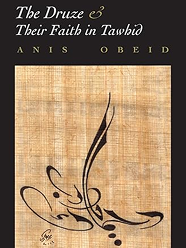
As a small sect that emerged from Islam over a thousand years ago, the Druze religion and society has long been cloaked in a tradition of secrecy. Veiled from the outside world, the religious tenets have been vulnerable to distortion, misunderstanding, and misrepresentation. In this book Dr. Anis Obeid, a Druze layman, provides a penetrating analysis of Druze scriptures and beliefs (Tawhid). Presenting a chronological narrative of the foundation and development of the faith, he explains the historical conditions and religious rationale behind this closed religion.
-
by Shadi Farraj
This book explores the rich history, culture, and identity of the Druze community, with a focus on prominent historical figures who have shaped its political, social, and religious landscape. It delves into the challenges faced by the Druze people in the modern era, examining their unique position in the Middle East and their role in regional conflicts and national movements. Through a blend of historical analysis and personal narratives, the book offers a comprehensive understanding of Druze contributions to society and their ongoing struggles to preserve their cultural heritage and identity in a rapidly changing world.
-
by Abbas Halabi
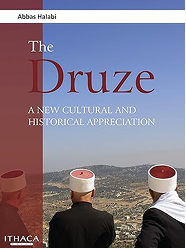
The Druze, a much-misunderstood Muslim sect primarily inhabiting the Levant, have endured centuries of persecution by orthodox elements hostile to Islam’s rich sectarian diversity on account of their esoteric divergence from mainstream Islam. As a result, they have become a ‘fighting minority’, as described by one of their most illustrious leaders. Druze religious belief branched out from tenth- and eleventh-century Shi’ism, and includes elements derived from Islamic mysticism. It enshrines all religious schools, but posits istelf as the sole path to mystical knowledge. Druze teachings are kept secret, so libel and slander by their opponents have been generally left uncorrected.
-
by Kais M Firro
Following the war of 1948 Palestine’s Druzes became part of the state of Israel. Overwhelmingly rural, they sought to safeguard their community’s age-old ethnic independence by holding on to their traditional ethno-religious particularism. Ethnicity and ethnic issues, however, were ready tools for the Zionists in the pursuit of their policy aims vis-à-vis the state’s Arab population. Central among these was the cooptation of part of the Druze elite in an obvious effort to alienate the Druzes from the other Arabs – creating “good” Arabs and “bad” Arabs served the Jewish state as a foil for its ongoing policy of dispossession and control.
-
by Nissim Dana
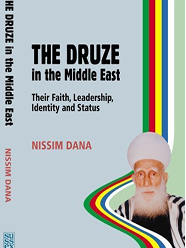
Discusses the Druze in the Middle East in general, with a particular focus of the Druze relationship with the State of Israel. Part I — Faiths, Commandments, and the Life-Cycle — deals with practical religious commandments, religious rights and ceremonies, and the life-cycle of the individual. Original material is presented that places the Druze unequivocally as members of an independent faith with their own unique identity. Part II — Spiritual Leadership and Community Organisation — treats the spiritual leadership in various countries of the Middle East throughout their history. This leadership is of great importance in administering the life of the Druze community.
-
by Philip Khuri Hitti
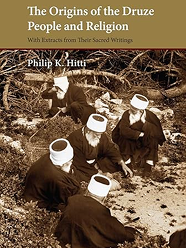
Discusses the Druze in the Middle East in general, with a particular focus of the Druze relationship with the State of Israel. Part I — Faiths, Commandments, and the Life-Cycle — deals with practical religious commandments, religious rights and ceremonies, and the life-cycle of the individual. Original material is presented that places the Druze unequivocally as members of an independent faith with their own unique identity. Part II — Spiritual Leadership and Community Organisation — treats the spiritual leadership in various countries of the Middle East throughout their history. This leadership is of great importance in administering the life of the Druze community.
-
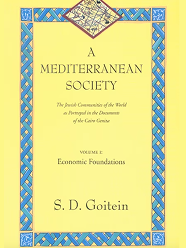
by S. D. Goitein
This six-volume “portrait of a Mediterranean personality” is a composite portrait of the individuals who wrote the personal letters, contracts, and all other manuscript fragments that found their way into the Cairo Geniza. Most of the fragments from the Geniza, a storeroom for discarded writings that could not be thrown away because they might contain the name of God, had been removed to Cambridge University Library and other libraries around the world. Professor Goitein devoted the last thirty years of his long and productive life to their study, deciphering the language of the documents and organizing what he called a “marvelous treasure trove of manuscripts” into a coherent, fascinating picture of the society that created them.
-
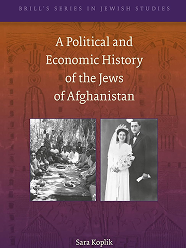
by Sara Koplik
In “A Political and Economic History of the Jews of Afghanistan,” Sara Koplik describes the conditions of the community from its growth in the 1840s to their emigration to Israel in the 1950s.
-
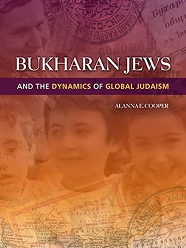
by Alanna E. Cooper
Part ethnography, part history, and part memoir, this volume chronicles the complex past and dynamic present of an ancient Mizrahi community. While intimately tied to the Central Asian landscape, the Jews of Bukhara have also maintained deep connections to the wider Jewish world. As the community began to disperse after the fall of the Soviet Union, Alanna E. Cooper traveled to Uzbekistan to document Jewish life before it disappeared.
-
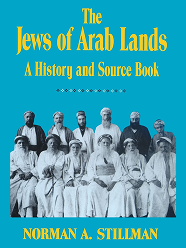
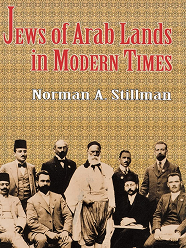
by Norman A. Stillman
Norman Stillman has produced a comprehensive and articulate history of the turbulent and complex relationships in the Middle East that brilliantly captures the people and the history.
-
by Norman A. Stillman
At a time when hostilities and violence in the Middle East and Persian Gulf continually threaten the world with war, anyone seeking to understand the current situation must become familiar with the interrelationships of the Jewish and Arab cultures. This book focuses on the forces, events, and personalities that over the past 150 years have shaped the Jewish communities of the Arab world, changing the relations between Jews and Arabs more radically than anything since the rise of Islam nearly 1400 years ago.
-
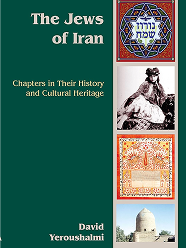
by David Yeroushalmi
“The present work provides a historical overview of Jews living on Iranian soil and offers studies dealing with specific facets of their centuries old cultural heritage. Divided into two separate but closely related parts, the book consists of eight chapters. Part one, History and Community, includes four chapters that throw light on the history of Iran’s Jewish minority from the 8th-century BCE through the 20th century. The second part, Cultural Heritage, investigates some specific features of Jewish culture and tradition in Iran. These include Judeo-Persian literature and poetry, a typical Judeo-Persian treatment of a Jewish canonical text, and the character of Jewish education in pre-modern Iran”–Provided by publisher.
-
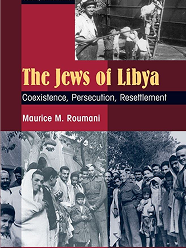
by Maurice M. Roumani
This book investigates the transformative period in the history of the Jews of Libya (1938-52), a period crucial to understanding Libyan Jewry’s evolution into a community playing significant roles in Israel, Italy and in relation with Qaddhafi’s Libya. Against a background of a reform conscious Ottoman administration (1835-1911) and subsequent stirrings of modernisation under Italian colonial influence (1911-43), the Jews of Libya began to experience rapid change following the application of fascist racial laws of 1938, the onset of war-related calamities and violent expressions of Libyan pan-Arabism, culminating in mass migration to Israel in the period 1949-52.
-
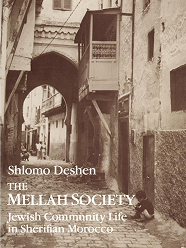
by Shlomo Deshen
The Mellah Society is a compact yet detailed and fascinating account of Jewish life in precolonial Morocco, based on the voluminous but rarely studied writings of eighteenth- and nineteenth-century Judeo-Moroccan sages.
-
by Zvi Yehuda
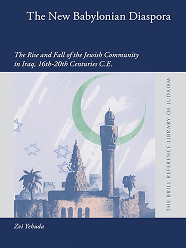
The New Babylonian Diaspora: Rise and Fall of Jewish Community in Iraq, 16th20th Centuries C.E. provides a historical survey of the Iraqi Jewish community’s evolution from the apex of its golden age to its disappearance, emergence, rapid growth and annihilation.